
Bitcoin just did something it hasn’t managed in months: it broke free.
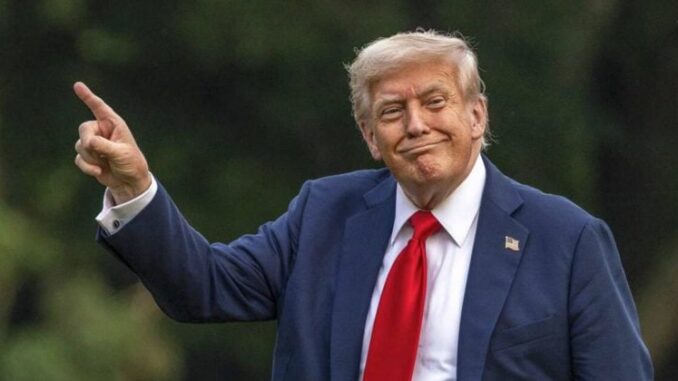
After spending nearly three months pinned between $65K and $75K, BTC surged past $79K on Wednesday, riding a wave of geopolitical relief after President Trump extended the US ceasefire with Iran just hours before the two-week deal was set to expire. The timing was, as they say, not subtle.
What happened
The ceasefire extension removed what traders had been pricing in as an imminent risk. An expiring deal with Iran, left to lapse, would have injected fresh uncertainty into energy markets and the broader risk landscape. Instead, the renewal acted like a release valve.
Bitcoin climbed 4.3% in 24 hours and 6.6% over the past week, pushing to levels not seen since early February. Ethereum followed closely, gaining 4.2% to reach $2,400. Solana rose 3.1% to $89, and XRP held steady near $1.45.
Traditional markets moved in lockstep. The S&P 500 and Nasdaq both posted gains Wednesday morning, confirming this wasn’t a crypto-specific phenomenon. Risk assets across the board got the green light.
Here’s the thing: Bitcoin had been stuck in that $65K-$75K range since early February. That’s roughly 10 weeks of sideways price action, the kind of extended consolidation that tends to resolve violently in one direction or the other. This time, it resolved upward.
The fear is still real
Despite the breakout, the market’s emotional state tells a more cautious story. The Crypto Fear and Greed Index sits at 32, firmly in “Fear” territory. Last week it was at 23, which registers as “Extreme Fear.”
In English: traders are less terrified than they were seven days ago, but they’re not exactly popping champagne. A move from “Extreme Fear” to regular “Fear” is improvement in the same way that going from a house fire to a kitchen fire is improvement. Progress, sure. Calm, not quite.
That gap between price action and sentiment is worth watching. Historically, sustained rallies that begin while fear dominates tend to have legs. The logic is simple: when everyone is scared, fewer people are fully positioned. As the breakout continues, sidelined capital gets pulled in, creating a self-reinforcing move higher.
Of course, the inverse is also true. If the breakout fails and BTC slides back into its old range, the already-fearful market could tip into something uglier.
Why geopolitics moved crypto
There’s an ongoing debate about whether Bitcoin is a risk asset or a safe haven. Days like Wednesday make the answer pretty clear: it trades like a risk asset, at least on shorter timeframes.
When the ceasefire extension removed a source of geopolitical tension, Bitcoin rallied alongside equities. It didn’t rally in advance as a hedge against conflict, which is what you’d expect from digital gold. It rallied after the tension dissipated, which is what you’d expect from a high-beta version of the Nasdaq.
This isn’t a new dynamic, but it’s worth restating because the narrative shifts depending on who’s talking. Bitcoin can serve as a long-term store of value and simultaneously trade like a risk asset in the short term. Those two things aren’t mutually exclusive. They’re just confusing.
The broader context matters too. Trump’s diplomatic posture toward Iran has been a source of market anxiety for weeks. The original two-week ceasefire was itself a surprise, and the extension doubles down on a de-escalation path that few observers expected. For markets that had been pricing in at least some probability of escalation, the reversal of that risk premium shows up directly in asset prices.
DeFi, interestingly, hasn’t participated in the rally with the same enthusiasm. The top-performing category over seven days shows essentially flat returns, according to CoinGecko data. That suggests the current move is being driven by macro flows and spot Bitcoin demand rather than a broad-based rotation back into risk across all of crypto.
What this means for investors
The breakout above $75K is technically significant. That level served as the ceiling of Bitcoin’s range for weeks. Clearing it and pushing to $79K turns former resistance into potential support.
Look, breakouts from extended ranges are one of the more reliable patterns in technical analysis. They aren’t guaranteed, but the longer an asset consolidates, the more energy tends to build. Three months of compression followed by a clean move higher is the kind of setup that trend followers pay attention to.
The risk is that this rally is entirely geopolitically driven. If the Iran situation deteriorates, or if another macro shock emerges, the breakout could reverse quickly. Bitcoin’s correlation with traditional risk assets means it’s vulnerable to the same forces that move equities: interest rate expectations, trade policy, and yes, Middle Eastern diplomacy.
Ethereum’s move to $2,400 is notable but less dramatic in context. ETH has underperformed BTC for most of 2025, and a 4.2% daily gain doesn’t change that broader trend. Solana and XRP gains were similarly modest relative to Bitcoin’s breakout.
The Fear and Greed Index at 32 suggests there’s room for sentiment to improve, which could fuel further upside. But it also means the market is fragile. Fearful markets can turn on a dime if the catalyst for optimism evaporates.
Bottom line: A diplomatic extension that almost didn’t happen gave Bitcoin the push it needed to escape a months-long trading range. The breakout to $79K is the most consequential price move since early February, but with fear still dominating sentiment and the rally tied to a geopolitical catalyst that could shift at any moment, this is a market that’s moving on borrowed confidence. The next few days will reveal whether this is the start of a new trend or just a brief vacation from consolidation.


Be the first to comment